These six essentials are:
1. Solution Fluency

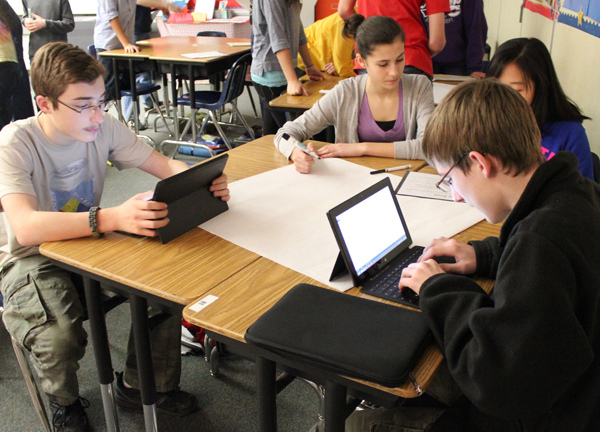
Students discussing about the problem and its solution.
Solution Fluency is the capacity and the creativity of the digital learners in solving a problem. The learners will able to define the problem, create and think for the appropriate solution to the problem, implement the solution and evaluate the process and the result.
There are 6 Ds that represents the Solution Fluency:
- Define the problem
- Discover a solution
- Dream up a process in solving the problem
- Design the process of the solution to the problem
- Deliver by implementing the solution
- Debrief evaluate the process and the result
2. Information Fluency

The students getting information and data on the computer.
Information Fluency involves 3 subsets of skills:
- The students will have the ability to access information through the use of internet, different software such as Encarta and etc.
- The students will have the ability to retrieve information in the form of texts, videos, pictures or sounds.
- The students will have the ability to reflect, assess and rewrite the information he/she retrieved from the different sources.
There are 5 As in Information Fluency:
- Ask good questions referring to the information you need
- Acquire or access the materials you will use in getting the information
- Analyze those materials and determine the usable knowledge from the raw data
- Apply the information or knowledge you've retrieved to real life situations
- Assess the process and the result
3. Collaboration Fluency
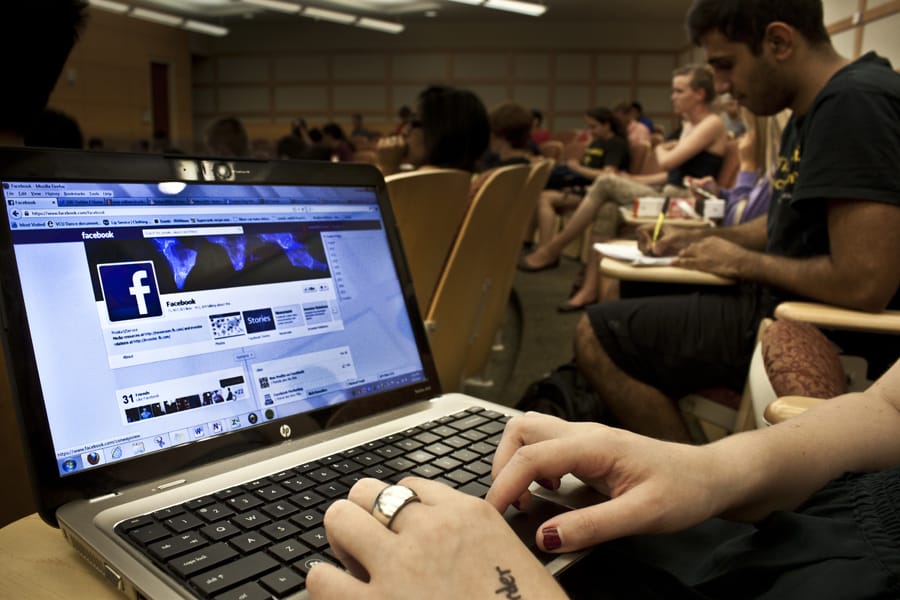
Student using social networking sites (Facebook) to communicate with virtual partners.
Collaboration Fluency is the teamwork of the students in a virtual community. They communicate through the use of social networking sites and online gaming domains. Through Collaboration Fluency, school to school partnerships are now possible for multi-cultural learning.
Collaboration Fluency also have 5 Es to remember, these are:

Logos of different blogging sites on the internet.
There is a need for systematic mind to evaluate the media. Media refers to information from radios, magazines, newspapers and for the virtual world, it refers to blogging sites which you can write a journal or personal reflection for free or paid.
There are two components of Media Fluency, these are:

An example of a manhwa (Korean comics) made by using a software and uploaded on the internet sites, such as Naver, Daum.
Through the way of design, art and story-telling to present a message, it can add meaning to artistic proficiency. The students use their artistic skills by the use of the modern technology. There are lots of software to make comics. The photo below sets an example.

Click the link below for more information about Creativity Fluency.
CREATIVITY FLUENCY
6. Digital Ethics

Collaboration Fluency is the teamwork of the students in a virtual community. They communicate through the use of social networking sites and online gaming domains. Through Collaboration Fluency, school to school partnerships are now possible for multi-cultural learning.
Collaboration Fluency also have 5 Es to remember, these are:
- Establish the group in the virtual community and determine the role of each other
- Envision the outcome and examine the issue and the goal of the group
- Engineer the workable plan
- Execute the plan into action to achieve the goal of the group
- Examine the process and its result
4. Media Fluency
Logos of different blogging sites on the internet.
There is a need for systematic mind to evaluate the media. Media refers to information from radios, magazines, newspapers and for the virtual world, it refers to blogging sites which you can write a journal or personal reflection for free or paid.
There are two components of Media Fluency, these are:
- Listen actively and interpret the communication and verbalize and verify the message that is appropriate for the intended audience.
- Leverage the most suitable media for the content of your message.
5. Creativity Fluency

An example of a manhwa (Korean comics) made by using a software and uploaded on the internet sites, such as Naver, Daum.
Through the way of design, art and story-telling to present a message, it can add meaning to artistic proficiency. The students use their artistic skills by the use of the modern technology. There are lots of software to make comics. The photo below sets an example.

Click the link below for more information about Creativity Fluency.
CREATIVITY FLUENCY
6. Digital Ethics

An online campaign by The GoodPlay and Project New Media.
Digital citizens are handling by five principles, these are:
Digital citizens are handling by five principles, these are:
- Leadership
- Global Responsibility
- Environmental Awareness
- Global Citizenship
- Personal Accountability
The video below explains more about Digital Ethics.